Tesla Delays Unsupervised FSD to 2027, Limiting Use to Robotaxi Zones
Tesla has set a new timeline for its unsupervised driving feature, but the system will only operate within its existing managed fleet geofences.
By Mei Lin ·
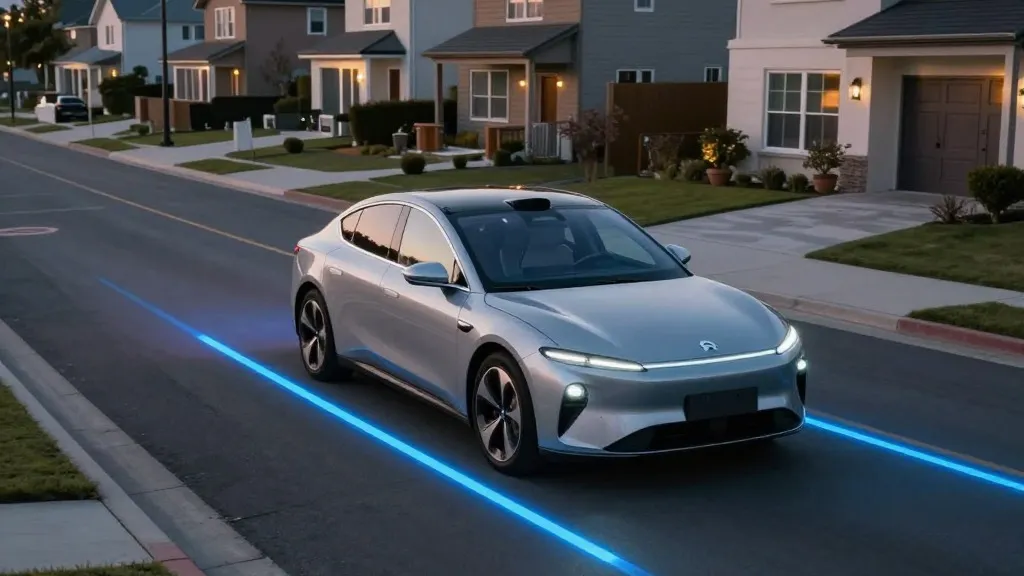
Tesla has officially pushed the debut of unsupervised Full Self-Driving for private owners to the second quarter of 2027. The announcement, made during the company's Q3 2026 earnings call, represents the most recent shift in a timeline that has been adjusted repeatedly over the past decade.
The path to this date has been marked by shifting expectations. In July 2025, CEO Elon Musk told investors that unsupervised FSD would be available for personal use in certain areas by the end of that year. A year prior to that, he expressed surprise if the technology was not ready by the following year. However, recent communications indicate that the hardware version three, known as HW3, installed in many vehicles, cannot support unsupervised driving at all, leaving those owners without a clear upgrade plan.
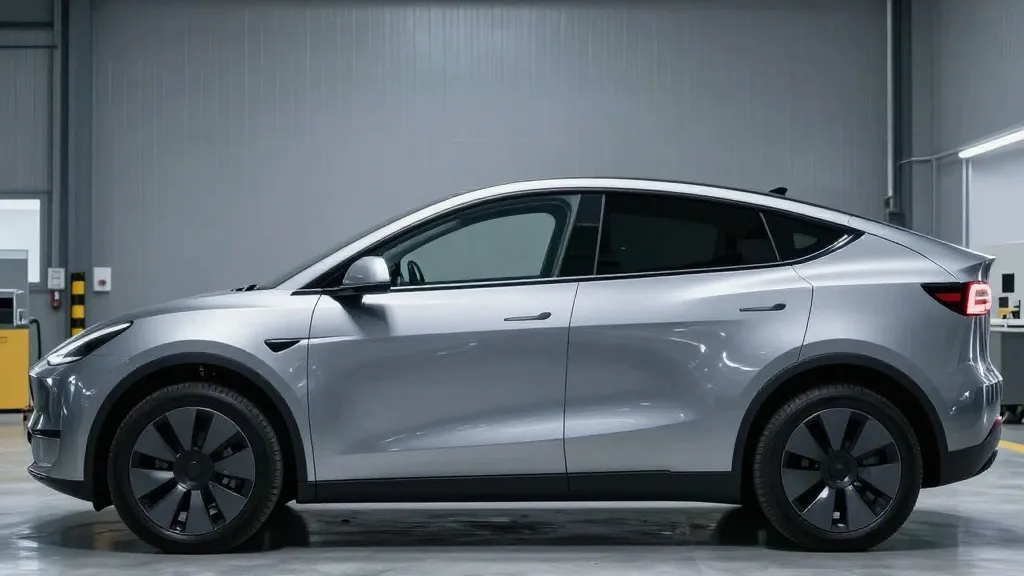
According to AI chief Ashok Elluswamy, the Q2 2027 milestone does not mean owners will receive a software update allowing them to sleep in the back seat of a Model Y. Instead, the feature will allow customers to add their personal vehicles to Tesla’s managed Robotaxi network. This means the car will drive itself only when it is operating as part of Tesla’s fleet, not as a personal commuter vehicle on any route the driver chooses.
The geographic limitations of this new arrangement are significant. Tesla’s Robotaxi service currently operates in six U.S. metropolitan areas, but these service areas cover only small portions of the respective cities. In Miami, for instance, the zone is largely confined to West Miami and a corridor toward Doral and Sweetwater. Similar small geofences were established in Orlando and Tampa in July. Within these areas, the vehicles stick to low-speed routes, avoid highways, and steer clear of complex urban sections.
Notably, the service is not yet fully unsupervised in the Bay Area. California regulations currently require a safety driver in every vehicle because Tesla has not yet released the necessary data to the California DMV to be classified beyond a level two autonomous system. This regulatory hurdle highlights the gap between the technology's current capabilities and the broader promise made to early adopters.
The scale of the current operation remains modest. Tesla reported that its Robotaxi fleet reached nearly 2 million cumulative unsupervised miles by the end of Q3, a month after the Cybercab was added to the Austin fleet. Third-party tracking suggests there are only dozens of fully driverless Teslas on the road, a far cry from the hundreds of thousands Musk has previously envisioned. Competitor Waymo, which entered Orlando and Tampa before Tesla, has already logged over 3 million miles.
Elluswamy cited safety as the primary bottleneck, noting that Tesla restricts operations to lower-speed environments to manage risk. While he guessed that these safety issues might be resolved by next year, he acknowledged uncertainty regarding the exact timing. For investors and customers, the Q2 2027 date signals a shift from a standalone software product to a fleet-based service, with the car functioning under Tesla’s operational control rather than the owner’s direct command.
The next steps for Tesla involve expanding these geofenced zones and resolving regulatory questions, particularly in California. Until then, owners of FSD-equipped vehicles will continue to rely on supervised driving, while the company works to integrate personal cars into its growing Robotaxi infrastructure.
Source: Electrek