Apple Marks 25-Year Anniversary of the iPod That Changed Portable Music
The original 5GB device, priced at $399, revolutionized the industry by fitting 1,000 songs into a card-sized form factor two decades ago.
By Rafael Ortega ·
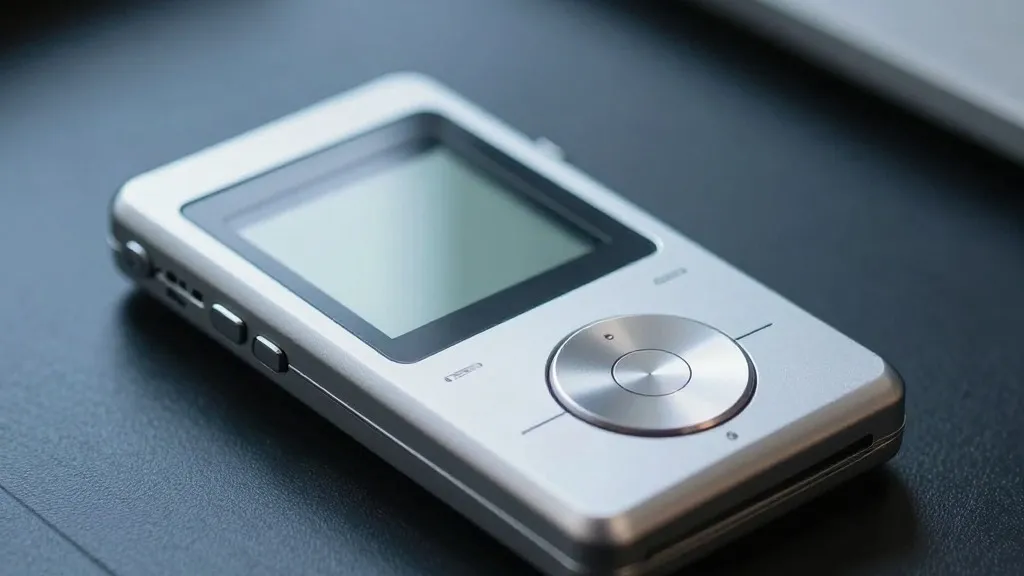
Today marks the 25th anniversary of the moment Apple CEO Steve Jobs unveiled the original iPod, a device that fundamentally altered how consumers interact with music. In a presentation that began with a tease for a "breakthrough digital device that’s not a Mac," Jobs introduced a pocket-sized player that would dominate the market for nearly a decade. The launch price of $399 offered a compelling proposition: the ability to carry an entire music library in one’s pocket.
At the time of the October 2001 release, Apple was in the midst of a significant revival following the dot-com bubble burst. The company had successfully transitioned beyond its beige aesthetic into the Mac OS X era, with iBooks and iMacs establishing a strong foothold. Jobs envisioned the Mac as the central hub for a digital lifestyle, connecting cameras, DVD players, and portable audio. He noted that while competitors like Sony and Creative already offered portable players, none had yet perfected the digital music experience.
The first iPod distinguished itself by utilizing a hard disk-based architecture rather than flash memory, which Jobs considered the optimal entry point for the market. The device featured a 5GB capacity, sufficient to store approximately 1,000 songs, specifically defined as typical pop-length MP3s at 160Kbps. This storage allowed users to access their entire collections, supporting popular formats of the era including MP3, WAV, and AIFF with CD-quality sound.
A key differentiator was the device's physical form factor, enabled by Toshiba’s 1.8-inch hard drive, which was just 0.2 inches thick. Measuring 2.4 by 4 by 0.78 inches and weighing 6.5 ounces, the iPod was smaller and lighter than most cell phones of the period. It featured a rechargeable lithium-polymer battery capable of ten hours of continuous playback, with an 80% charge achievable in one hour. Jobs highlighted the design’s durability and the inclusion of a piezoelectric clicker on the scroll wheel for tactile feedback, allowing for single-handed navigation by artist, playlist, or song.
Connectivity was a major selling point, with the iPod being the first music player to utilize FireWire 400. This connection allowed for rapid data transfer, with Jobs claiming a full CD could be synced in five to ten seconds, compared to the five minutes required for USB devices. Filling the entire 1,000-song capacity took an estimated ten minutes via FireWire, whereas USB alternatives could take up to five hours. The device also functioned as a FireWire hard disk drive, adding utility beyond music playback.
The launch was accompanied by the release of iTunes 2, which introduced features like MP3 CD burning and Auto-Sync. This feature ensured that music libraries curated on a Mac were automatically synchronized with the portable player during charging or transfer. Jobs demonstrated the device on stage with Sarah McLachlan’s "Building a Mystery," showcasing its ease of use. While the product line would eventually fade after the introduction of the iPhone in 2007, the original iPod’s impact on the industry remains a defining moment in technology history.
The final model, the 7th-generation iPod Touch, was released in May 2019, though the product line was not officially discontinued until May 2022. For over a decade, the iPod and iPhone coexisted in Apple’s ecosystem, but the iPod’s legacy as a cultural and technological icon endures twenty-five years after its debut.
Source: Tom's Hardware